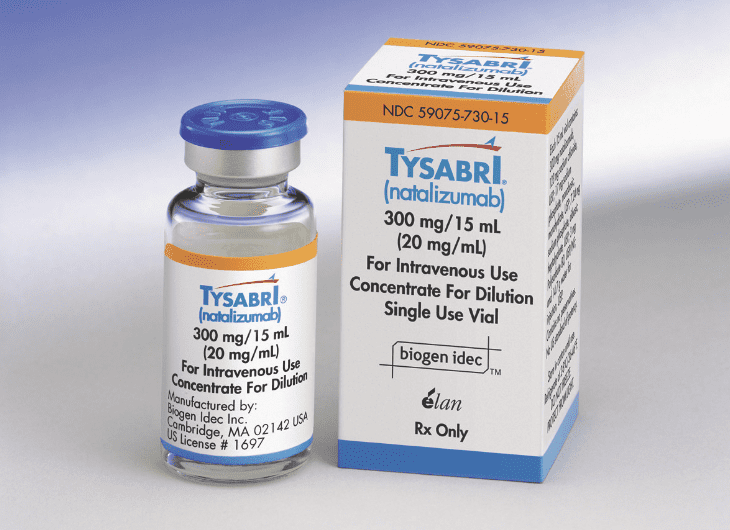
Biogen and Elan file for Tysabri first line use in MS
pharmafile | January 18, 2013 | News story | Sales and Marketing | Biogen IDEC, EMA, Elan, FDA, MS, Tsyabri, gilenya
Biogen Idec and Elan have applied to the FDA and EMA to expand Tysabri’s use in patients with relapsing forms of MS who have tested negative to the JC virus.
If approved, the ruling could increase sales of the biotech firms’ treatment to almost $3 billion by 2015, according to analysts Berenburg, representing a 15% increased stake in the MS marketshare.
“Tysabri is an important treatment option for thousands of people living with MS,” said Hans Peter Hasler, Elan’s chief operating officer. “We are excited about these filings and the potential to make Tysabri available as a treatment option for more individuals early in the course of their disease.”
The blockbuster was taken off the market after its launch in 2004 when several cases showed patients developed a potentially fatal side effect – Progressive multifocal leukoencephalopathy (PML) – a viral infection of the brain that usually leads to death or severe disability.
But close monitoring and further risk assessment in patients along with tests, allowed the drug to rejoin the market in 2006, helped also by its efficacy in treating MS after patients stopped responding to beta interferons.
In the US Tysabri is recommended for people living with relapsing forms of MS whose disease is not responding or able to tolerate alternative therapy. In Europe it’s approved for highly active relapsing-remitting MS (RRMS) in adult patients not responding to beta interferons, or who have severe RRMS.
Injectable therapies such as Biogen’s Avonex and Merck Serono’s Rebif still make up the majority of the MS market, along with Novartis’ Gilenya. Another notable entrant is Genzyme’s Aubagio (teriflunomide), which received approval from the FDA last year.
Alfred Sandrock, senior vice president, Development Sciences and chief medical officer at Biogen said: “A first line approval would allow people with MS access to a highly efficacious treatment earlier in the course of the disease, potentially leading to better outcomes. This is an important consideration for people with MS who may want or need more efficacy.”
Brett Wells
Related Content

FDA grants De Novo authorisation to light-filtering device for migraine
The US Food and Drug Administration (FDA) has granted De Novo marketing authorisation to Avulux, …

EMA selects TrialAssure anonymisation platform for clinical trial documents
TrialAssure has announced that its ANONYMIZE platform has been selected by the European Medicines Agency …

EndoCyclic New Drug application approved by US FDA for endometriosis treatment
EndoCyclic Therapeutics’ Investigational New Drug (IND) application for its lead programme, ENDO-205, has been approved …