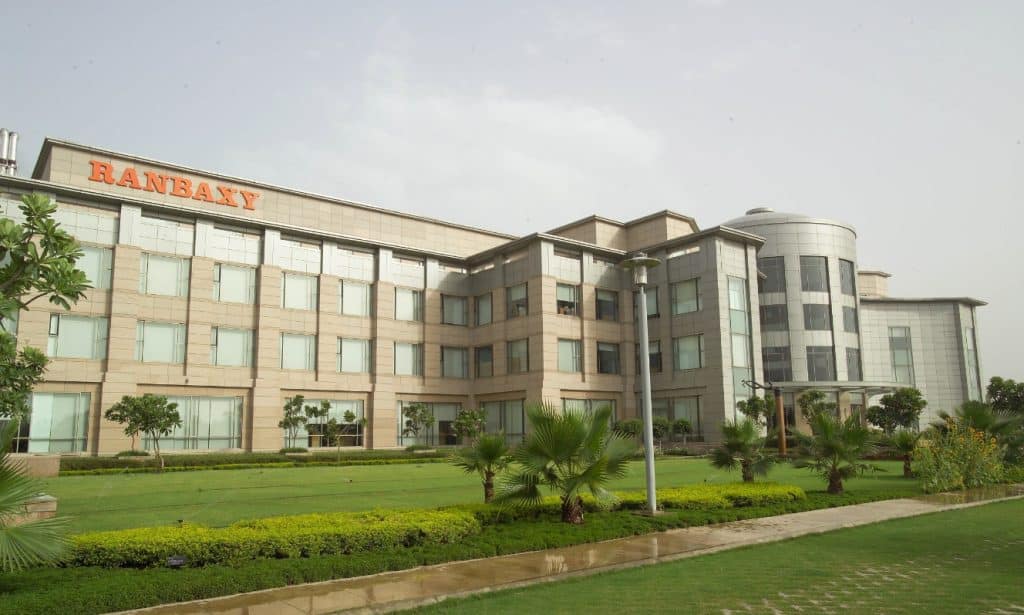
Ranbaxy unit fined $500m for selling adulterated drugs
pharmafile | May 14, 2013 | News story | Manufacturing and Production | FDA, GMP, Ranbaxy, fine, generics
Ranbaxy’s US subsidiary has agreed to pay fines and penalties totalling $500 million after pleading guilty to charges of manufacturing and distributing adulterated medicines.
The penalty – the largest ever levied on a generic drugmaker – related to products made at two facilities in India and comprised $150 million in a criminal fine and forfeiture, and $350 million to settle civil claims under the US False Claims Act and related state laws, according to the US Department of Justice (DoJ).
The generic drugs at issue were manufactured at Ranbaxy’s facilities in Paonta Sahib and Dewas, India, which have both been operating under a consent decree imposed by the FDA in 2011. The agency imposed a ban on imports of products made at the plants into the US in 2008.
Ranbaxy USA admitted to distributing adulterated drugs that were produced at Paonta Sahib in 2005 and 2006, including batches of acne therapy Sotret (isotretinoin), gabapentin for epilepsy and the antibiotic ciprofloxacin.
FDA inspections of both the Paonta Sahib and Dewas plants revealed inadequate stability testing procedures and incomplete record-keeping, as well as Good Manufacturing Practice (GMP) failures in the production of active pharmaceutical ingredients and finished dosage forms.
The company failed to notify the agency about batch failures that affected the purity and shelf life of the generic drugs, and also admitted that it had made false statements to the FDA about the dates of stability testing carried out on various antibiotic batches – including cefaclor, cefadroxil, amoxicillin, and amoxicillin/clavulanate potassium – made at Dewas.
“When companies sell adulterated drugs, they undermine the integrity of the FDA’s approval process and may cause patients to take drugs that are substandard, ineffective, or unsafe,” commented Stuart Delery, acting assistant attorney general for the civil division of the DoJ.
In a statement Ranbaxy’s managing director Arun Sawhney said the DoJ announcement: “Marks the resolution of this past issue,” adding that the settlement “does not materially impact our current financial situation or performance”.
Phil Taylor
Related Content

FDA grants De Novo authorisation to light-filtering device for migraine
The US Food and Drug Administration (FDA) has granted De Novo marketing authorisation to Avulux, …

EndoCyclic New Drug application approved by US FDA for endometriosis treatment
EndoCyclic Therapeutics’ Investigational New Drug (IND) application for its lead programme, ENDO-205, has been approved …

MRM Health’s ulcerative colitis treatment receives FDA Investigational New Drug clearance
Microbial Resource Management (MRM) Health has announced that its lead programme, MH002, has received Investigational …